ATO, Australian Taxation Office, business compliance, business owners, business tax, capital gains tax, CGT discount, compliance, contractor superannuation, digital platforms, electric vehicles, employers, EV FBT exemption, FBT, federal budget, Federal Budget 2026, financial planning, fringe benefits tax, independent contractors, investors, limited recourse borrowing arrangements, LRBA, negative gearing, novated leases, payday super, Qubed Advisory, salary packaging, self managed super fund, sharing economy, small business tax, SMSF, SMSF borrowing arrangements, super guarantee, superannuation, tax changes, tax planning, tax update
Federal Budget & Tax Update: What Businesses, Investors and Employers Need to Know
By Patricia Montagne Longue
28 July 2026
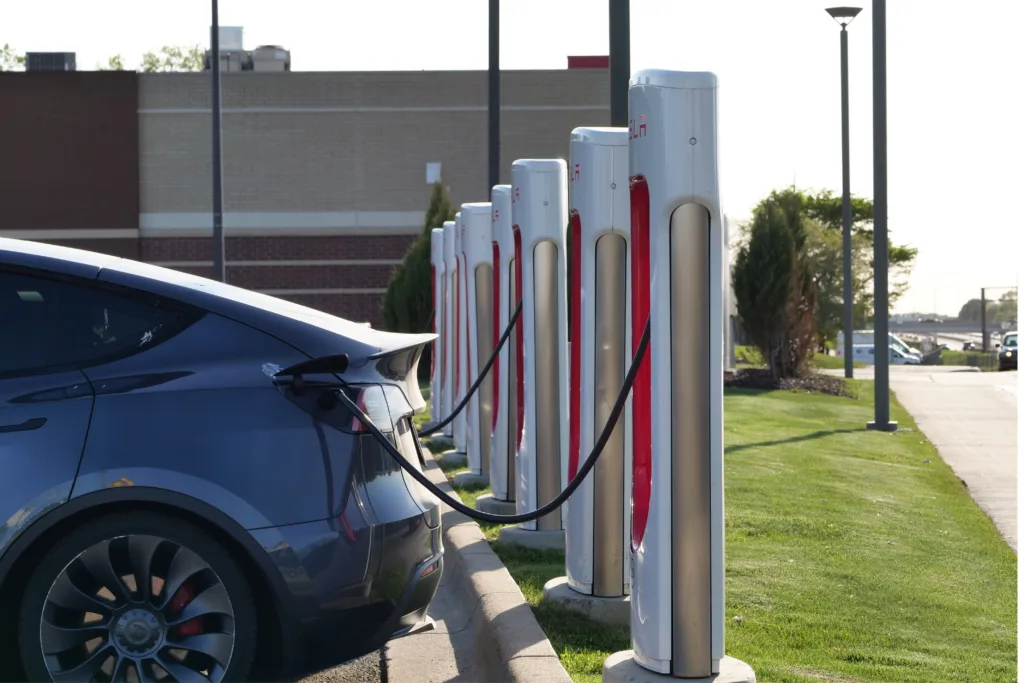
The recent Federal Budget has introduced a number of important tax and compliance changes that could affect businesses, investors, employers and self-managed super funds (SMSFs).
From proposed changes to SMSF borrowing arrangements and electric vehicle Fringe Benefits Tax (FBT) concessions, to increased scrutiny of income earned through digital platforms and new Payday Super obligations for contractors, there are several developments worth understanding.
Here’s a summary of the key changes and what they may mean for you.
SMSF Borrowing Arrangements
Following the recent Federal Budget, the bill containing the proposed changes to negative gearing and the CGT discount has now passed both Houses of Parliament, subject to several key amendments.
As part of negotiations with the Greens on the CGT discount and negative gearing measures, the Government has agreed to remove the ability for SMSFs to borrow to purchase residential property. This type of SMSF borrowing is commonly known as a Limited Recourse Borrowing Arrangement (LRBA).
Existing borrowing arrangements are expected to be grandfathered, meaning current SMSF property loans should not be affected. However, once the legislation takes effect, SMSFs will no longer be able to establish new LRBAs to acquire residential property.
Income from Digital Platforms and Apps
The ATO is continuing to focus closely on income earned through digital platforms and apps, particularly within the growing sharing economy.
In most cases, income earned through these platforms is assessable and must be declared in your tax return. Under the Sharing Economy Reporting Regime (SERR), digital platforms separately report users’ earnings directly to the ATO, allowing it to cross-check whether income has been correctly reported.
Activities captured under these rules include:
- Ride-sourcing services
- Short-term rental of a home, or part of a home
- Sharing personal assets such as boats, cars, caravans, tools or equipment
- Renting storage or business spaces, including car parks and offices
- Delivery or task-based services
- Professional services provided online
- Selling digital products such as eBooks, videos or podcasts
If you earn income through any digital platform, it’s important to ensure it is accurately recorded and included in your tax return.
Government to Wind Back Electric Vehicle FBT Exemption
The Government has announced a staged wind-back of the current Fringe Benefits Tax (FBT) exemption for electric vehicles (EVs), following recommendations from the Statutory Review of the Electric Car Discount released in May 2026.
While the policy continues to encourage EV adoption, the concessions will become more targeted over time to improve long-term sustainability.
The changes are expected to save the Budget an estimated $1.7 billion over five years from 2025–26. Importantly, nothing changes immediately. The current full FBT exemption for eligible EVs remains available until 31 March 2027.
Three-Phase Transition
Phase 1: Now until 31 March 2027
The current rules remain unchanged.
Eligible EVs below the Luxury Car Tax (LCT) threshold ($91,661 for fuel-efficient vehicles in 2026–27) continue to receive a full FBT exemption.
For businesses and employees using novated leases or salary packaging, there is no immediate impact.
Phase 2: 1 April 2027 to 31 March 2029
- EVs costing $75,000 or less continue to receive the full FBT exemption, provided eligibility requirements are met.
- EVs priced above $75,000 but below the LCT threshold will instead receive a 25% FBT discount.
Phase 3: From 1 April 2029
All eligible EVs below the LCT threshold will receive a flat 25% FBT discount, regardless of purchase price.
The import tariff exemption for qualifying EVs will remain in place.
Grandfathering of Existing Leases
The Government has indicated that existing arrangements will be protected, meaning current leases should not be affected by the new rules. Draft legislation is expected to clarify exactly how these transitional arrangements will apply.
What This Means for Businesses and Employees
The FBT exemption has been one of the strongest incentives driving EV adoption, particularly through novated leasing arrangements that allow employees to purchase vehicles using pre-tax income.
The Government’s review found the concession:
- Resulted in approximately 64,000 additional battery EVs during its first three years
- Reduced emissions and fuel costs
- Increased EV uptake across metropolitan, regional and outer-suburban Australia
However, the review also found the benefits were largely flowing to higher-income earners and that the cost to the Budget was increasing rapidly. The phased changes aim to better target the concession while continuing to support affordable EV adoption.
Practical Considerations
If you’re considering an EV, there are several factors worth reviewing:
- Consider entering a novated lease before 31 March 2027 while the full exemption remains available.
- Review salary packaging arrangements ahead of the Phase 2 changes.
- Businesses should assess future fleet costs, including FBT implications and whole-of-life vehicle costs.
EV momentum continues to grow, with EV and plug-in hybrid (PHEV) sales reaching 22.9% of new vehicle sales in March 2026, compared with just 1.8% in May 2022. More affordable models are also entering the market.
Next Steps
These reforms continue to support cleaner transport while narrowing the scope of available concessions.
If you’re considering purchasing an EV personally or through your business, or would like to understand how these changes may affect your salary packaging or fleet strategy, our team can help model the financial outcomes and advise on the best timing.
Payday Super for Contractors
The ATO has confirmed that employers already required to make superannuation contributions for eligible independent contractors will continue to have those obligations under Payday Super, which commenced on 1 July 2026.
Who Is Covered?
Payday Super does not change the rules for determining when a contractor is entitled to Super Guarantee contributions.
Some contractors may still be treated as employees for super purposes under the extended definition of employee, particularly where they are engaged mainly for their labour, skills or personal effort rather than to deliver a specific result.
This can apply even where the contractor has an ABN, invoices for their work or is engaged under a written contractor agreement.
When Must Super Be Paid?
From 1 July 2026, where super is payable for an eligible contractor, contributions must be made each payday and received by the relevant super fund within seven business days.
Where contractors are paid against invoices, the payday is generally the date the invoice is paid, meaning the super contribution must reach the fund within seven business days of payment.
What About STP Reporting?
Employers who do not currently report contractors through Single Touch Payroll (STP) do not need to change their reporting practices solely because of Payday Super.
However, employers already reporting contractors through STP must ensure qualifying earnings and super liabilities are correctly reported.
What Should Employers Do?
Businesses should review contractor arrangements and payment processes now to:
- Confirm which contractors are entitled to Super Guarantee contributions.
- Ensure payroll and accounts payable systems are capable of meeting the new payment deadlines.
- Confirm reporting processes are compliant under Payday Super requirements.
Taking action now will help avoid compliance issues as the new rules continue to take effect.

Share this article: